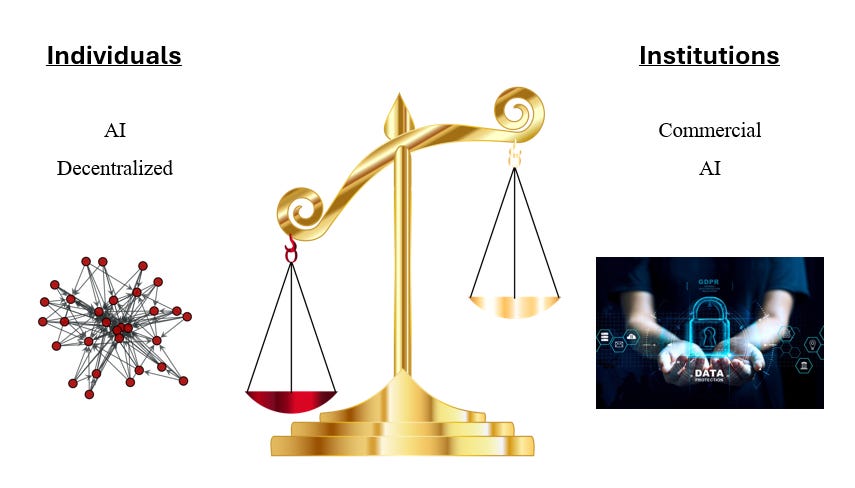
In the rapidly evolving landscape of technological innovation, artificial intelligence (AI) stands at the forefront, promising unprecedented advancements in how we interact with digital systems. However, as AI becomes more integrated into our daily lives, concerns about privacy and data security have grown exponentially. This essay explores the critical issue of privacy in the age of AI, with a particular focus on the groundbreaking work of David Johnston and the Morpheus Project. Drawing insights from a recent interview with Johnston, a pioneer in the cryptocurrency industry, we explore his vision for a future where user privacy and technological progress coexist harmoniously.
AI Chats Reveal Much More
As AI chatbots and virtual assistants become more sophisticated, they offer incredible convenience and personalized experiences. However, these interactions come at a cost that many users may not fully appreciate. Unlike traditional search histories, which provide snapshots of user inquiries, AI chats reveal much more about the individual engaging with them. These conversations can expose personal thoughts, preferences, vulnerabilities, and even sensitive information that users might not consciously realize they're sharing.
Thank you to my sponsor Truflation. Learn more at www.truflation.com.
The depth and breadth of personal data gleaned from AI chats far surpass what can be inferred from search histories alone. This wealth of information presents a significant privacy concern, as it could potentially be exploited by bad actors or misused by the companies controlling these AI systems. As such, the need for robust privacy protections in the age of AI is more critical than ever before.
Historically, technological advancements have followed a pattern of initial decentralization followed by eventual centralization. This trend has been particularly evident in the digital age , with internet giants amassing unprecedented power and control over user data. The "network effect" has led to the dominance of a few key players, creating single points of failure for data breaches and privacy violations.
Enter David Johnston and The Morpheus Project
David Johnston, a pioneer in the cryptocurrency industry, offers a compelling vision for breaking this cycle of centralization. Building on the foundation laid by Bitcoin and Ethereum, Johnston introduces the Morpheus Project – a groundbreaking initiative aimed at creating decentralized artificial intelligence.
The Morpheus Project represents a paradigm shift in how we interact with AI. Instead of relying on centralized AI systems controlled by large corporations, users would have access to personal AI assistants that operate on decentralized networks. These AI agents would be designed to prioritize user privacy and data sovereignty, potentially revolutionizing the landscape of digital interactions.
User-Controlled Intelligence
The concept of user-controlled intelligence is at the heart of Johnston's vision. By combining blockchain technology with AI, the Morpheus Project aims to create a system where individuals have full control over their digital interactions and personal data. This approach addresses the privacy concerns inherent in centralized AI systems by ensuring that user data remains under the individual's control, rather than being stored and potentially exploited by third parties.
In practice, this could mean having a personal AI assistant that can manage various aspects of your digital life – from handling cryptocurrency transactions to interacting with smart home devices – all while maintaining your privacy and data security. Unlike current AI assistants that often share user data with their parent companies, these decentralized AIs would work directly for the user, with no intermediaries having access to personal information.
Privacy and Freedom
The potential implications of user-controlled, decentralized AI are far-reaching. By giving individuals greater control over their data and digital interactions, these systems could significantly enhance personal privacy and freedom in the digital realm. This shift could disrupt current business models that rely on harvesting and monetizing user data, potentially leading to a more equitable digital ecosystem.
Moreover, the permissionless nature of these decentralized systems aligns with principles of personal freedom and economic empowerment. Users could interact with various digital services without the need for accounts tied to personal information, preserving anonymity and reducing the risk of data breaches.
Challenges and the Road Ahead
While the vision presented by David Johnston and the Morpheus Project is compelling, it's not without challenges. Regulatory hurdles, technical complexities, and the entrenched interests of current tech giants all pose significant obstacles to the widespread adoption of decentralized AI systems.
The recent announcement of upcoming reporting requirements for AI model and computing cluster development by the US Department of Commerce highlights the complex regulatory landscape that these technologies must navigate. Overly restrictive regulations could potentially drive innovation offshore, underscoring the need for balanced approaches that protect privacy without stifling technological progress.
Conclusion
As we stand on the brink of a new era in artificial intelligence, the work of innovators like David Johnston and projects like Morpheus offer a glimpse into a future where technological advancement and personal privacy can coexist. By addressing the critical issue of data privacy in AI interactions and proposing decentralized solutions, these initiatives pave the way for a more secure and user-centric digital future.
The journey towards user-controlled intelligence is just beginning, but its potential to reshape our digital landscape and protect individual privacy is immense. As AI continues to evolve, it's crucial that we remain vigilant about privacy concerns and support innovations that put users back in control of their digital lives. The vision of decentralized, privacy-preserving AI is not just a technological aspiration – it's a cornerstone for preserving personal freedom and empowerment in the digital age.