
In our previous essay, we explored the paradox of increasing pessimism in an age of unprecedented technological progress and global connectivity. We examined recent surveys revealing a sense of gloom among Americans about the prospects of future generations. But is this pessimism unique to our time, or have Americans always harbored such concerns about the future?
To answer this question, we need to look back and compare our current challenges with those of the past. We've chosen 1985 as our point of comparison – a year that marks the midpoint between the end of World War II and a period of peak optimism in the US and our present day- the nadir of that optimism. This comparison will not only illuminate how our challenges have evolved but also how our perception of these challenges shapes our outlook on the future.
Interestingly, the mid-1980s paint a different picture of American sentiment. A 1985 New York Times/CBS News Poll found that 55% of Americans believed the country was "generally going in the right direction," a stark contrast to today's outlook as of Feb 5, 2025 where a Economist/YouGov poll showed 36%. Moreover, a 1986 Roper survey showed that 64% of Americans expected their children to have a better standard of living than they did. Fast forward to 2023, and a Gallup poll found that only 17% of Americans were satisfied with the way things were going in the country.
What accounts for this shift from relative optimism to deep-seated pessimism? Are today's challenges truly more daunting, or has our perception of them changed? Let's explore the major challenges facing the United States in 2024 and compare them to those of 1985.
I explore these issues in depth in a series of interviews with key specialists on my YouTube Channel (subscribe here: Exploring Prosperity with Host Bob Dewey) and podcast (subscribe HERE).
Challenges Facing the United States in 2024-2025
Political and Institutional Challenges:
Political polarization
Erosion of trust in democratic institutions
Geopolitical tensions, especially with China
Spread of misinformation and "fake news"
Economic and Workforce Issues:
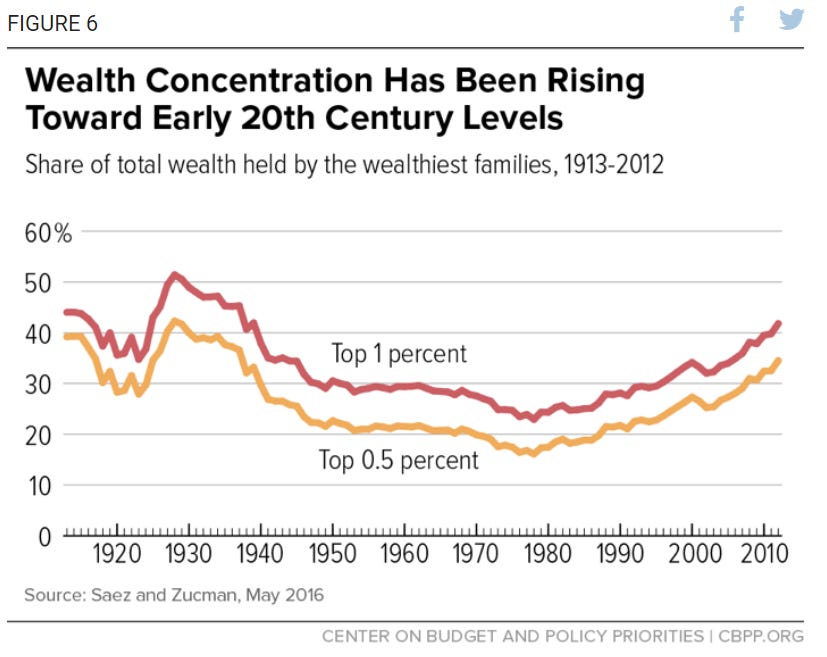
Income inequality and wealth gap
Job displacement due to automation and AI
National debt and budget deficits
Lingering effects of inflation
Climate Change and Environmental Concerns:
Extreme weather events
Transition to renewable energy
Biodiversity loss
Water scarcity in some regions
Healthcare and Public Health:
High costs and access to affordable care
Mental health crisis
Opioid epidemic
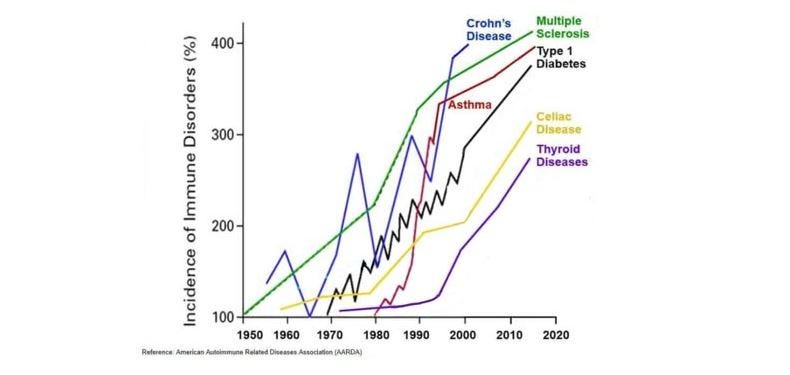
Alarming rise in chronic, developmental, and autoimmune disorders, including allergies
COVID-19 management
Education and Youth:
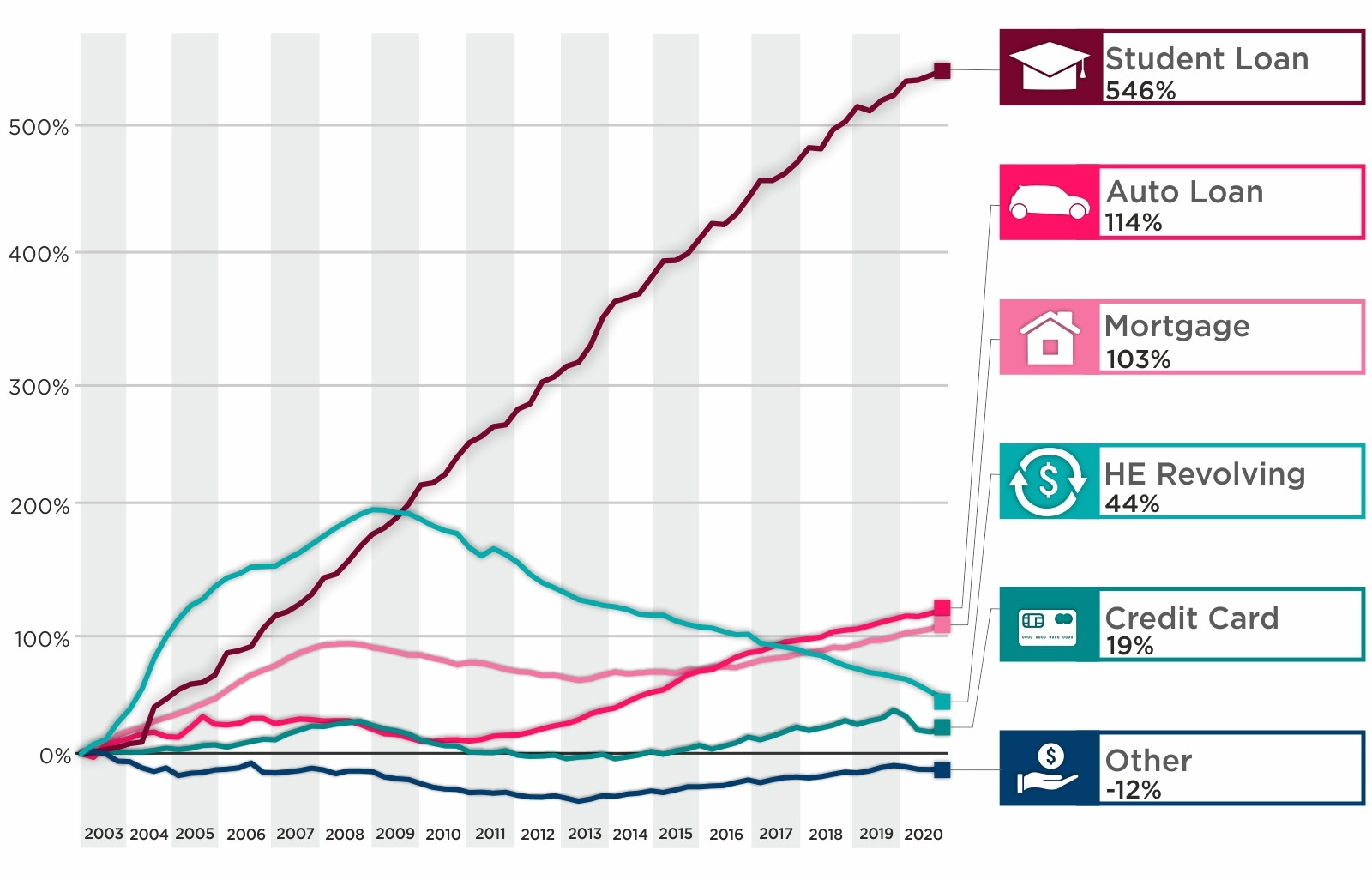
Student debt crisis
Adapting education for the digital age
School safety concerns
Concerns about education quality and relevance
Social Justice:
Immigration debates and border security
Police reform and criminal justice system issues
Debates over racial equality and systemic racism in institutions
Technological and Privacy Challenges:
Cybersecurity threats
Privacy concerns in the digital age
Ethical concerns around AI and biotechnology
Digital divide and tech literacy
Challenges Facing the United States in 1985
Cold War and International Relations:
Ongoing conflict with the Soviet Union
Arms race and fear of nuclear war
Cold War proxy conflicts globally
Apartheid in South Africa and U.S. policy debates
Economic Challenges:
High federal budget deficits
Trade deficit concerns, especially with Japan
Lingering effects of early 1980s recession
Farm crisis and high rates of farm foreclosures
Social and Health Issues:
Drug abuse epidemic, especially crack cocaine
AIDS crisis and lack of effective treatments
High crime rates in urban areas
Ongoing civil rights struggles and urban poverty
Environmental and Energy Concerns:
Acid rain and ozone layer depletion
Energy independence following 1970s oil crises
Concerns about nuclear power safety
Emerging awareness of global warming
Technological and Workforce Changes:
Adapting to the personal computer revolution
Job displacement due to automation in manufacturing
Concerns about Japan's technological advancement
Shift from manufacturing to service economy
Education and Youth:
Concerns about public education quality
Rising costs of higher education
Debates over school integration and busing
Youth unemployment and underemployment
Domestic Political and Institutional Challenges:
Iran-Contra affair (emerging in late 1985)
Debates over size of government and social programs
Tensions over affirmative action policies
Growing national debt concerns
Analysis of Pessimism: Then and Now
The stark difference in outlook between 1985 and 2024 can be attributed to several interconnected factors. Each of these represents a fundamental change that has occurred over the past four decades, reshaping the American experience and outlook:
Loss of Shared Narrative and Growing Inequality: The 1980s, despite its challenges, still benefited from a relatively unified national narrative shaped by the Cold War and American exceptionalism. Today's more fragmented, diverse society lacks this unifying story.
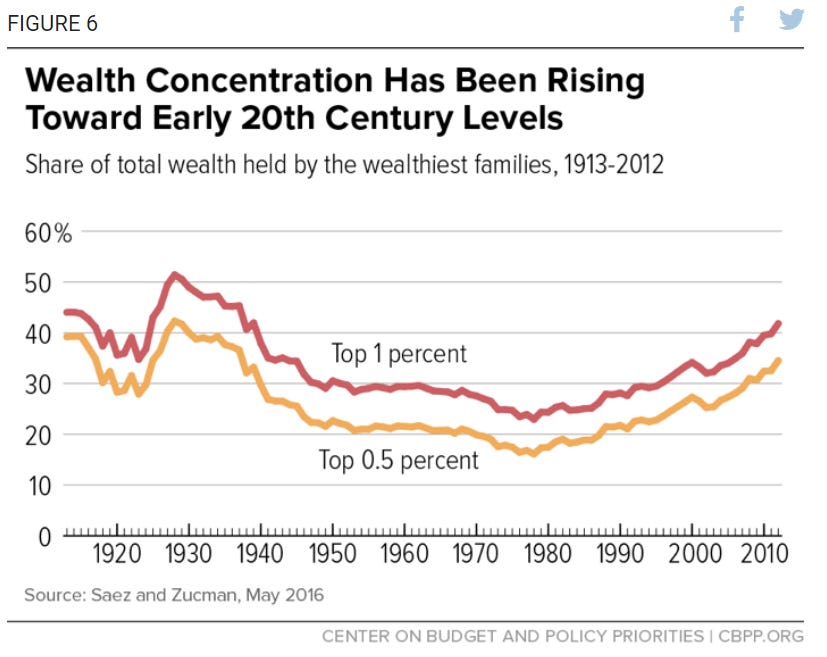
Growing income and wealth disparity. As the gap between the rich and the poor widens, many Americans feel left behind, eroding the belief in a shared American Dream and fueling pessimism about future prospects.
Loss of Trust in Government: Trust in government has declined significantly since the 1980s. Prolonged wars with questionable outcomes, ineffective policies that failed to address pressing issues, and the growing size and perceived inefficiency of government have all contributed to this erosion of faith. This loss of trust in a fundamental problem-solving institution leaves many feeling that large-scale challenges cannot be effectively addressed, feeding into a cycle of pessimism.
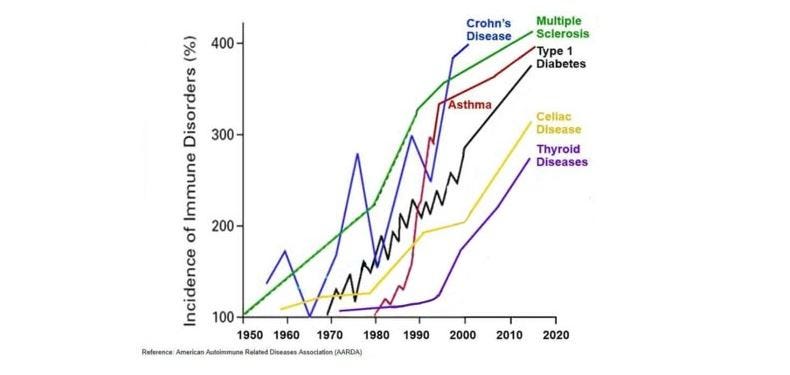
Skepticism Towards the "Food and Pharma Industrial Complex": There's a growing belief that many innovations of the last generation, particularly in food and pharmaceuticals, have led to unintended negative consequences. Concerns about rising rates of obesity, autism, and other health issues are increasingly linked to changes in our food supply and medical practices. Furthermore, the perception that the pharmaceutical industry has created a dependence on drugs rather than promoting holistic health has led to widespread skepticism about the motives behind healthcare advancements.
Loss of Trust in Media: The media landscape has changed dramatically since 1985. The rise of 24/7 news cycles, the proliferation of online news sources, and concerns about bias and "fake news" have severely eroded trust in traditional media. Without a trusted source of information, many feel unable to accurately assess the state of the world, leading to increased anxiety and pessimism about the future.
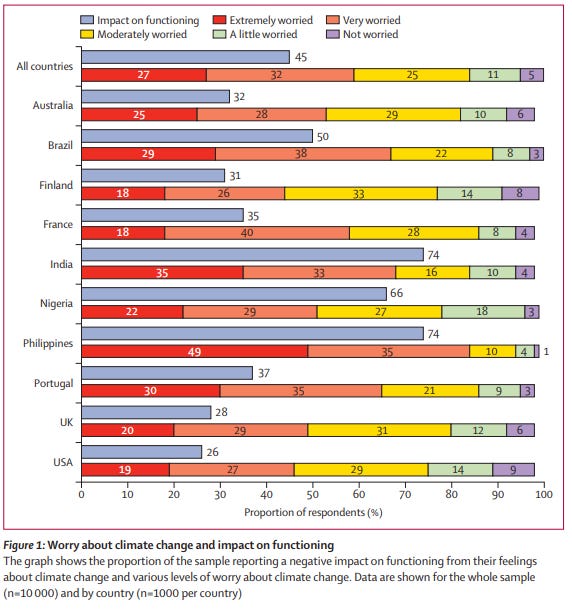
Environmental Concerns: While environmental issues existed in 1985, today's belief in climate change and its far-reaching implications creates a backdrop of existential concern. Worries about global warming, extreme weather events, and potential food supply disruptions contribute to a sense of impending crisis. The global nature of these problems and the perceived lack of effective action add to feelings of helplessness and pessimism.
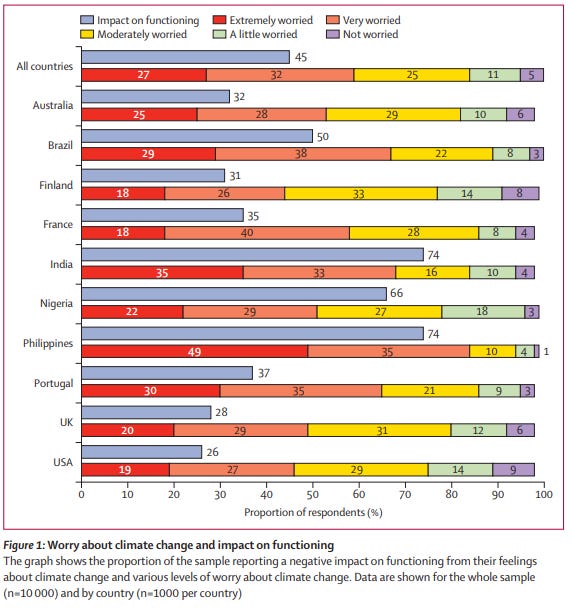
Source: The Lancet
Impact Social Media and Political Polarization: Social media, while providing unprecedented connectivity, has also contributed to increased pessimism. The constant exposure to curated highlights of others' lives can lead to feelings of inadequacy. Moreover, the echo chamber effect of many social media platforms can amplify negative news and polarizing viewpoints, skewing perceptions towards pessimism. This technology has also exacerbated political polarization, creating deep divides in public opinion and eroding the sense of national unity. The addictive nature of these platforms and concerns about privacy and data misuse further contribute to anxiety about the direction of society.
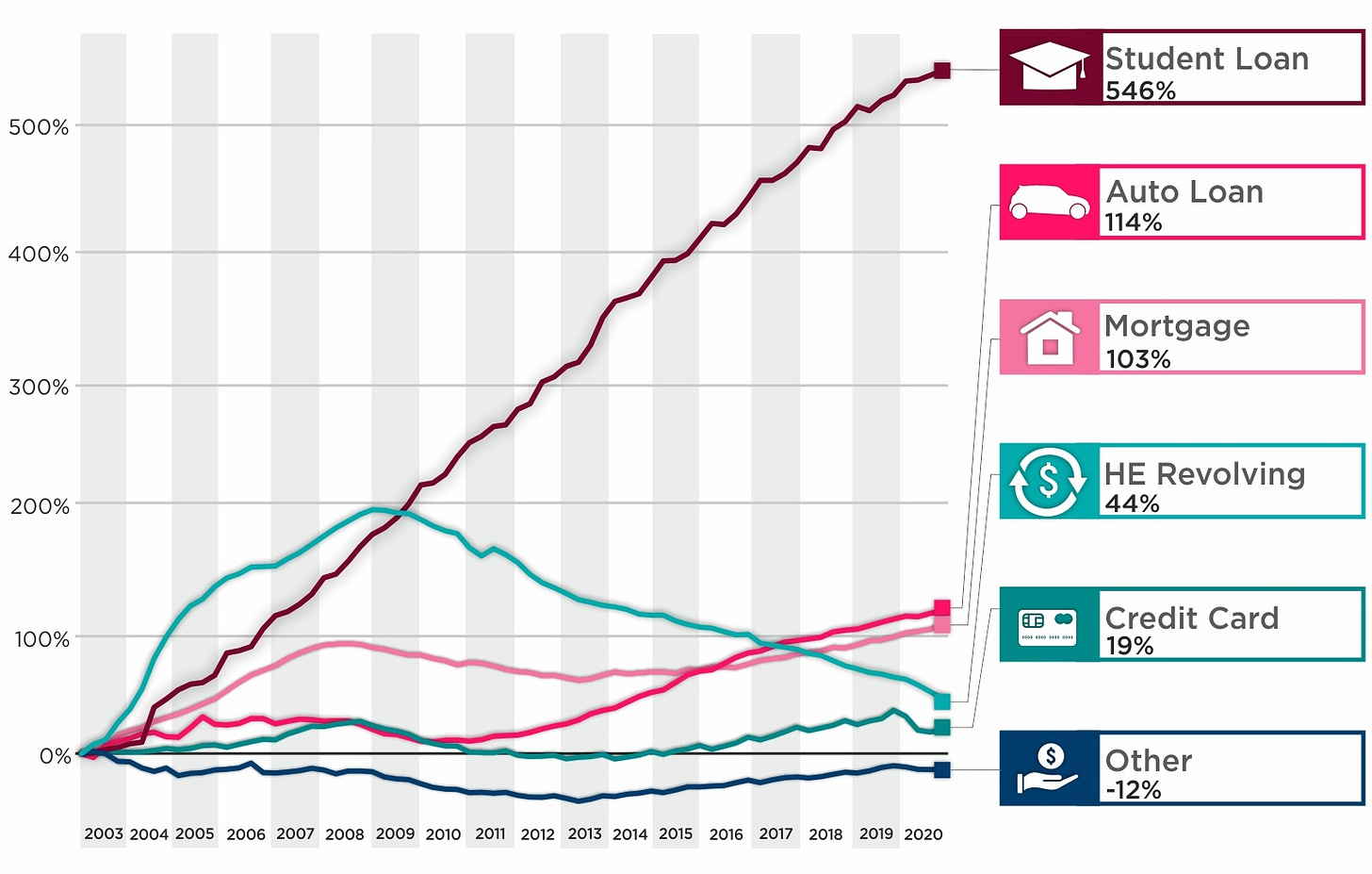
Generational Dynamics: Younger generations face unique challenges that contribute to a pessimistic outlook. The burden of student debt, often incurred with the promise of a better future, weighs heavily on many. Coupled with housing affordability issues in many urban areas, younger Americans often feel that traditional paths to success and stability are increasingly out of reach. This has led to distorted expectations and intergenerational tension, as many young people feel they're worse off than their parents were at the same age.
These factors, intertwining and reinforcing each other, create a complex web of pessimism that's markedly different from the challenges of 1985. While the issues of the past were significant, they existed in a context that allowed for more optimism – a stronger sense of national unity, greater trust in institutions, and a more straightforward perceived path to stability and success.
Understanding these multifaceted sources of pessimism is crucial for addressing them. It highlights the need not just for tackling specific issues, but for rebuilding societal trust, fostering media literacy, addressing systemic inequalities, and cultivating a renewed sense of shared purpose and capability in the face of complex, global challenges.
However, while these factors may explain much of the current pessimism, they don't tell the whole story. In our next essay, we will explore some of the drivers of progress that often go unnoticed in daily life. These less visible but powerful forces continue to shape our world in positive ways, making continued progress not just possible, but likely. By examining these factors, we aim to provide a more balanced perspective on our current situation and future prospects.